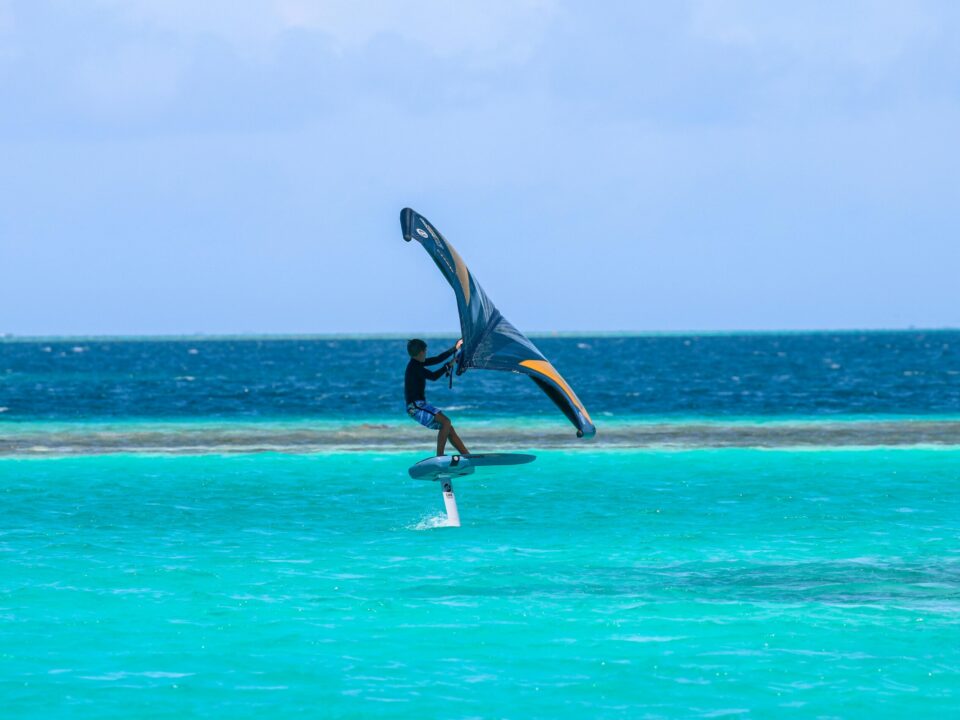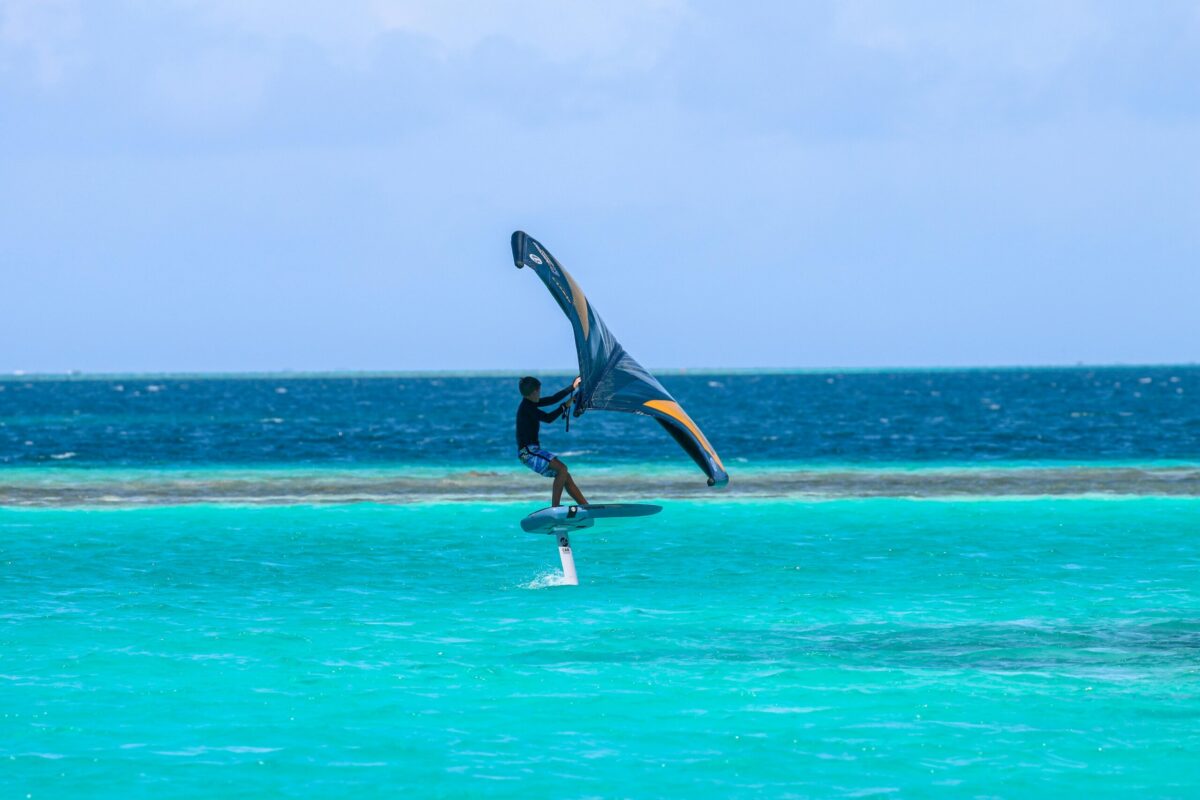


What is wingfoil and why you should try it
2026-05-13
How did Sicily become a kitesurfing mecca?
2026-05-13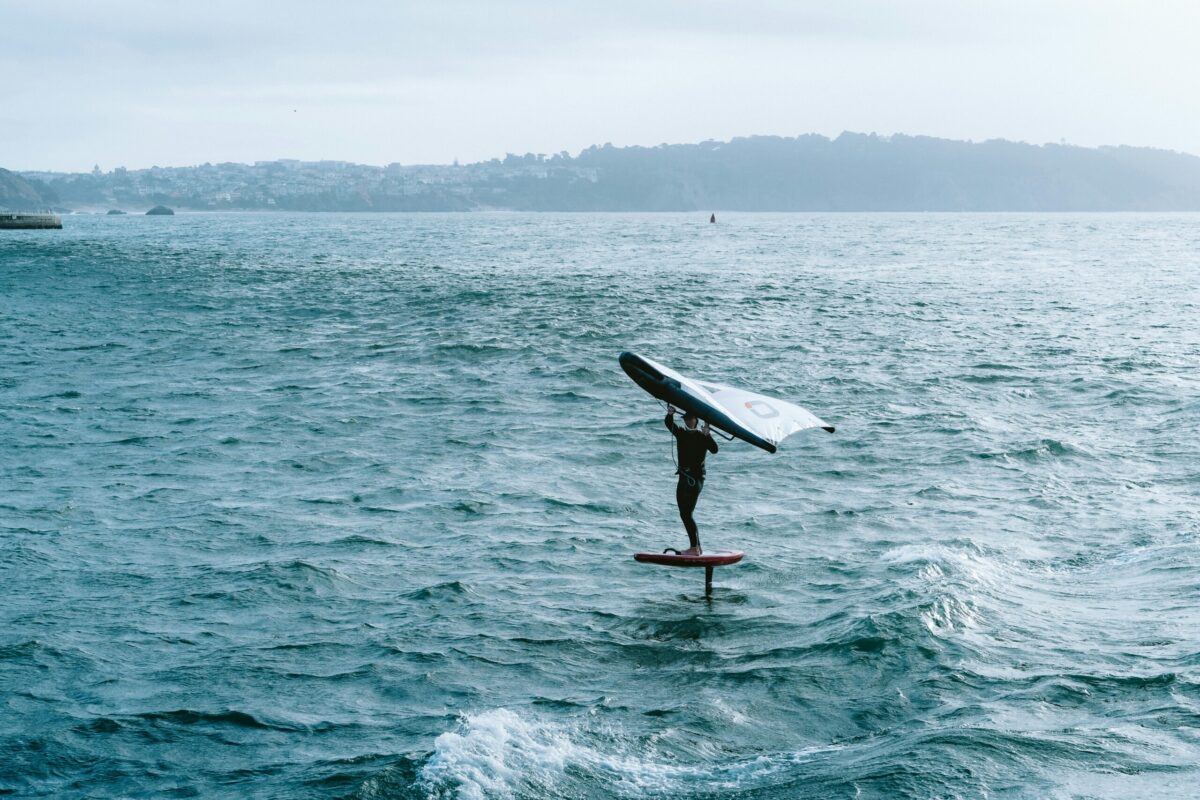
Kitesurfing is a sport that’s gaining popularity worldwide. To fully enjoy kitesurfing, it’s important to choose the right board that suits your skill level, riding style, and wind conditions. A well-chosen board not only improves your riding comfort but also allows you to master the technique faster. In this article, you’ll learn what factors influence the choice of kitesurfing board, how to adjust it to your weight, height, and riding style, and why twin-tip boards are a popular choice among beginners. If you’re new to kitesurfing, our tips will help you choose equipment that will allow you to progress quickly on the water.
What factors influence the selection of a kitesurfing board?
Choosing a kitesurfing board depends on many factors. Above all, it’s worth considering your skill level, weight, and height, as these characteristics are crucial for riding comfort. Additionally, the wind and water conditions you plan to ride in also influence the selection of the right board. A board with the right parameters improves stability, maneuverability, and grip, which is especially important when you’re learning basic moves. If you’re just starting out, a well-chosen board will help you feel more confident on the water. Take advantage of our kitesurfing course#atfp_close_translate_span#, and we will advise you what equipment to choose!
Twin-tip board – a popular choice for beginners
A twin-tip board is one of the most popular board types for beginners to kitesurfing. It features a symmetrical design, allowing for riding in both directions. This design facilitates maneuverability, and changes of direction on the water become easier and more natural. Twin-tip boards are also versatile – they perform well in a variety of wind and water conditions, making them an ideal choice for beginners. Here are a few reasons to choose a twin-tip board:
- Symmetrical construction – allows swimming in both directions.
- Easy to maneuver – perfect for learning to change direction on the water.
- Versatility – works well in various wind and water conditions.
- Perfect for beginners – suitable for learning and the first stages of kitesurfing.
How to choose a board according to your weight and height?
Choosing a board that’s appropriate for your weight and height is crucial, as it directly impacts stability, maneuverability, and ease of launch. Lighter and smaller riders will typically need smaller, narrower boards, which will allow for easier floatation and faster wind response. Heavier riders, on the other hand, should choose larger boards, which will provide adequate buoyancy and stability. When choosing a board, it’s also important to consider your riding style – if you plan to jump, consider boards with a smaller footprint but are very lightweight.
Choosing a board for the freeride style
Freeride is a style of kitesurfing that focuses on smooth riding, without jumping or advanced tricks. Those who prefer this style should choose a board that is stable but also easy to control. Freeride boards have a medium flex and high buoyancy. It’s important that the board is comfortable in various wind conditions, especially in lighter winds. Choosing a freeride board will ensure a comfortable and stable ride, allowing you to fully enjoy the water.
Here are some key features of a freeride board:
- Stability – ensures confidence while driving.
- Easy to maneuver – allows for smooth changes of direction.
- Medium hardness – good balance between comfort and performance.
- High displacement – improves stability, especially in lighter winds.
Summary
Choosing the right kitesurfing board is a crucial step in embarking on this exciting sport. It’s important to choose a board that’s right for your weight, height, and riding style. A twin-tip board is an excellent choice for beginners, as it’s easy to maneuver and offers great versatility. At our kitesurfing school – Kitestation – we’ll help you choose the equipment that best suits your needs and help you quickly master the basics of kitesurfing.